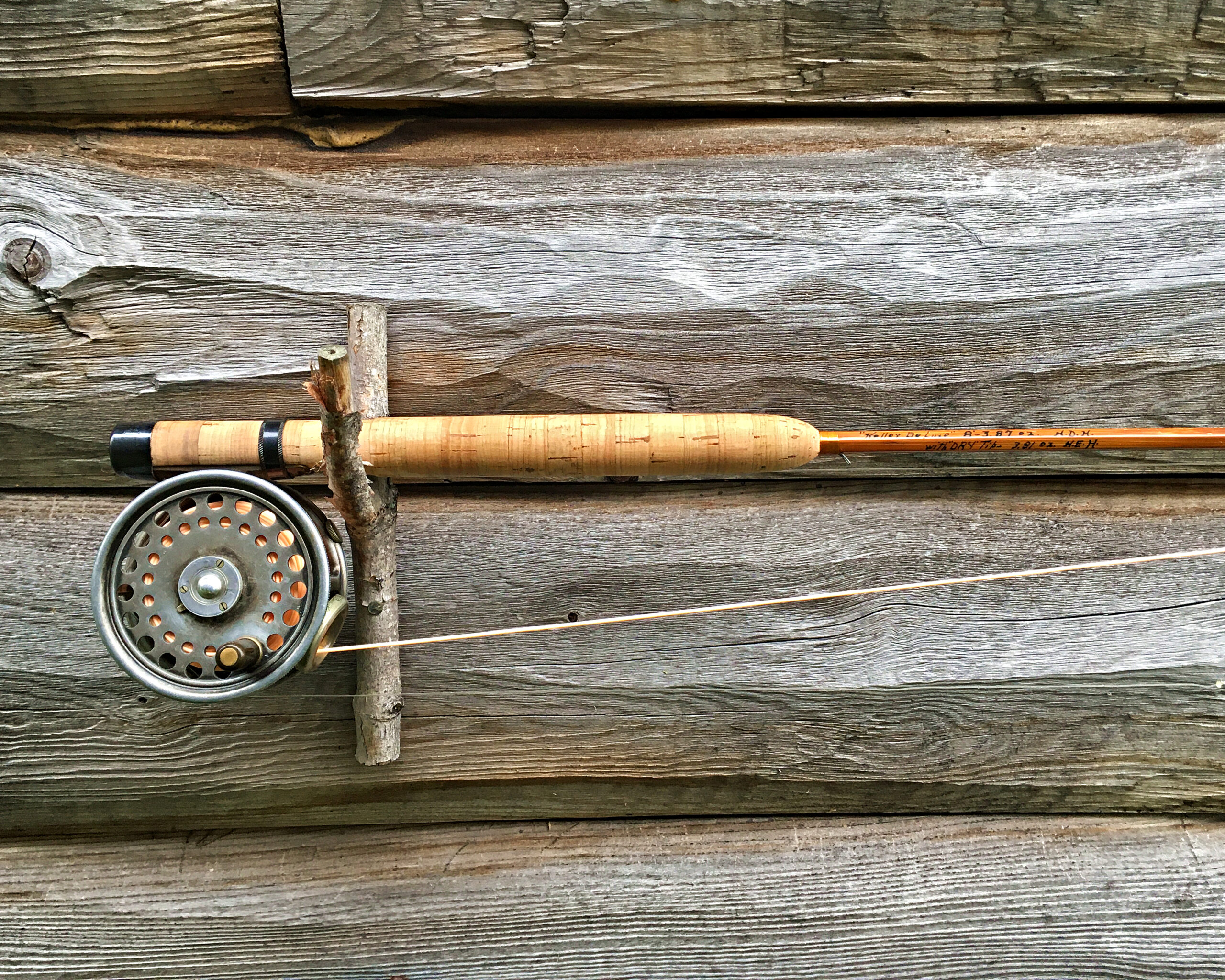
PHY Parabolic 15, built in October 1954 for Robert P. Terrill, an American spy
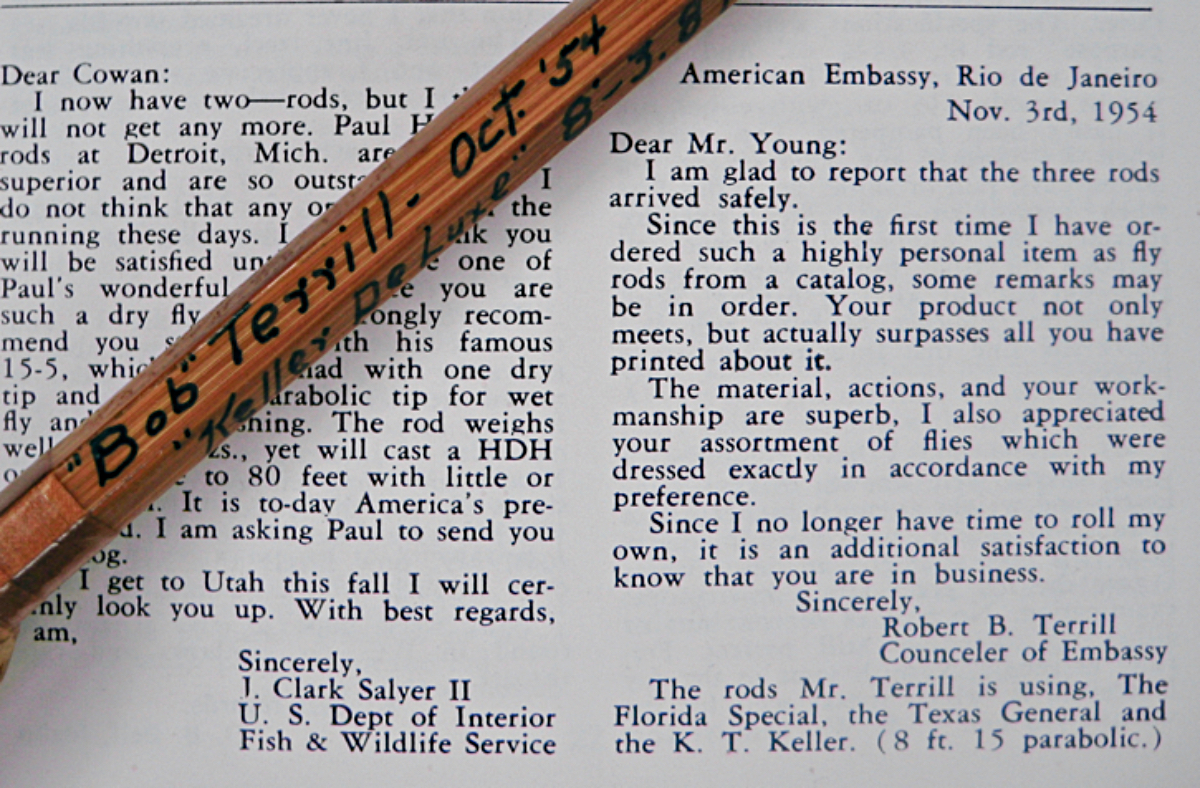
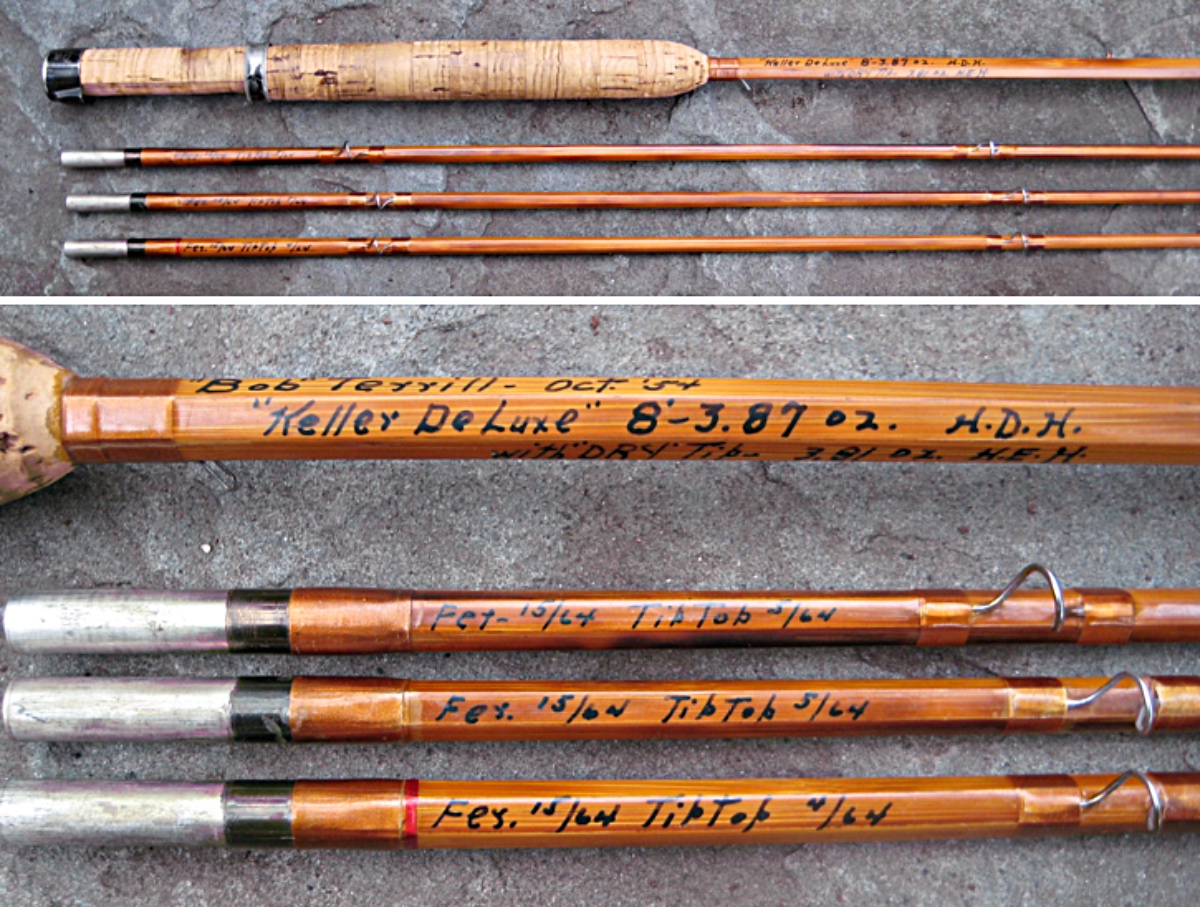
US State Dept. official Robert P. Terrill was Counselor of Embassy at the U.S. Embassy in Rio de Janeiro, Brazil in October 1954, when Paul H. Young built three rods for him. The group of three rods was described in a letter from Terrill to Paul Young dated Nov. 3, 1954 that was printed in the Young catalog (as shown below. The photos that follow show one of these rods, a Parabolic 15 K.T. Keller Deluxe with three tips, which I acquired in 2012):
Robert P. Terrill held very important State Dept. jobs, carrying very high levels of authority and responsibility, both before and after his tour of duty in Brazil. After World War II, his assignment was to restore a functional economy in Germany, so that it wouldn’t be a huge postwar drag on the American economy, but to also dismantle Krupp, I.G. Farben, and the other German industrial giant enterprises, the “war machine,” so that they could never again encourage new rounds of German aggression. By 1959, Terrill was in Washington DC, acting as the Under Secretary of State’s Special Assistant for Communist Economic Affairs. So why was Robert P. Terrill only fourth in seniority, in 1954, at a relatively far-flung outpost in the mid-1950s?
For many years I knew that the answer had to be that Terrill was a spy in Brazil, but I couldn’t prove it. Terrill’s apparent demotion in rank to Counselor of Embassy was only a cover for whatever much more important, covert task he had been assigned to carry out.
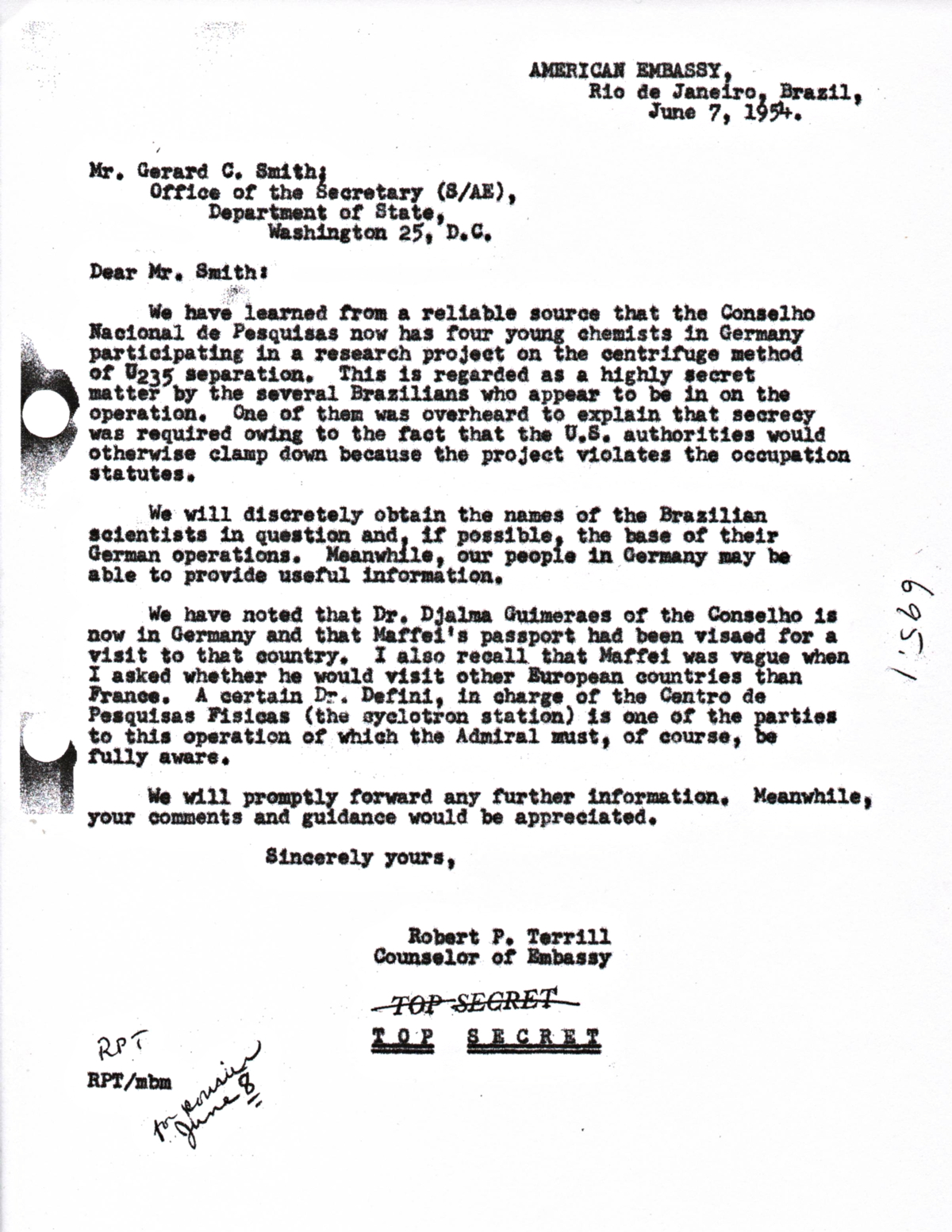
Then, on June 29, 2015, the National Security Archive of the George Washington University published documents, formerly classified as top secret, that explained Robert P. Terrill’s mid-1950s presence at the US Embassy in Rio. The US government was concerned that Brazil was interested in obtaining gas centrifuge technology that would allow it to conduct nuclear enrichment activities leading to Brazilian possession of an atomic bomb and further dissemination of the information and technology to other nations (in short, the same concerns that today our government has with respect to Iran’s nuclear program). In June 1954 (about four months before he received his Paul Young rods) Terrill discovered, and reported to Washington DC, that Brazil had secretly sent a group of chemists to West Germany (which was still under occupation authority) to learn about gas centrifuge technology, and to buy centrifuges from a German company. The Brazilians sought the aid of Wilhelm Groth, who had worked on gas centrifuge technology during the Nazi regime. United States authorities were able to deny Brazil’s access to German expertise and technology. My belief is that Terrill’s familiarity with post-war German economic and business realignment helped with this process. The Eisenhower administration subsequently broadened this approach of using secrecy and export controls by working in cooperation with its Western European allies, starting in 1960, by which time Terrill was back in Washington DC.
Here is a document sent by Terrill to Washington, reporting on Brazilian attempts to build its nuclear capacity:
Robert Terrill’s Parabolic 15 Keller Deluxe is one of the top three fly rods I have ever cast. What Terrill wrote to Paul Young is true: “The material, action, and your workmanship are superb.”